Project Development Icon Review
First Impressions: A Simple Symbol with Big Potential
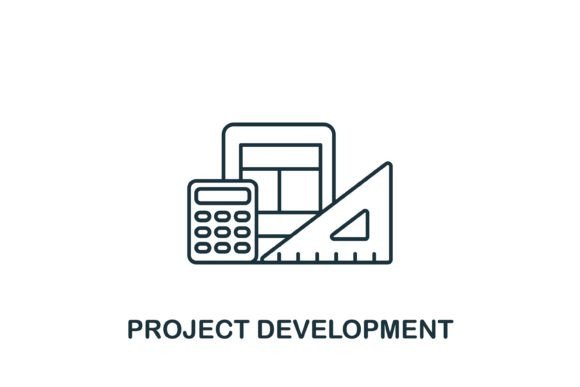
The Project Development Icon is a clean, minimal line drawing that immediately suggests structure and progress. Its simplicity makes it versatile, but also raises questions about how it will translate in real embroidery projects. The design feels modern and professional, fitting well for web design, templates, and infographics. But what does it look like when stitched onto fabric?
As a designer who often works on custom apparel and handmade products, I find the icon’s visual personality to be neutral yet purposeful. It doesn’t scream attention, but it doesn’t blend into the background either. This balance could make it ideal for subtle branding or as part of a larger design scheme.
Real-World Use: Where It Fits and Where It Struggles
Imagine you’re creating a custom embroidered tote bag for a client who runs a digital agency. The Project Development Icon could serve as a small, elegant accent on the bag’s corner. It would work well as a design element in a series of related items—like a sweatshirt, apron, or even a baby onesie with a developmental theme.
However, the icon’s simplicity might not hold up in certain situations. For example, if you’re using it on a dark fabric, the line work may not show enough contrast. You’d need to carefully choose thread colors to ensure visibility. Similarly, on textured or stretchy fabrics, the design might lose some definition.
When considering hoop size, the icon is likely to fit comfortably in medium-sized hoops. But if you’re working on a curved surface like a cap or a hat, the lines could appear distorted unless you adjust the placement carefully.
Stitching Clarity and Visual Appeal
As an embroidery designer, one of my main concerns is how a machine embroidery design translates from screen to fabric. The Project Development Icon, being a simple line element, should stitch cleanly with a running stitch or a satin stitch. However, its low detail level means it won’t work well as a fill stitch or dense stitch design.
For a handmade product, this icon could add a touch of professionalism without overwhelming the item. It’s perfect for personalized gifts or boutique merchandise where subtlety matters. But if you’re aiming for a bold statement, this design may not be the best choice.
When used in commercial embroidery projects, the icon can enhance brand consistency. It’s especially useful for craft businesses or Etsy sellers looking to maintain a cohesive aesthetic across their product lines.
Practical Considerations: What to Watch For
Before committing to the Project Development Icon, there are several practical steps to take. First, test the design on scrap fabric to see how it looks in different thread colors and fabric textures. This will help you determine if it works for your specific project.
Check the stitch density to ensure the lines aren’t too thin or too thick. If the design is too dense, it might cause puckering or distortion, especially on thin or stretchy fabrics. On the other hand, if it’s too light, the icon may not be visible enough.
Make sure the hoop size is appropriate for the design. If you’re using it on a curved surface, consider adjusting the hoop or using a stabilizer to keep the fabric taut during stitching.
Design Assets and Licensing
The Project Development Icon comes in multiple file formats—EPS, JPG, AI, and SVG—which makes it easy to edit and use in various applications. As a digital product seller, I appreciate the flexibility these files offer. However, always check the licensing terms before using the design in commercial projects or selling finished items.
If you're planning to use the icon in printable mockups or digital product previews, the vector files will be invaluable. They allow for scalable, high-quality output without losing clarity.
Final Thoughts: A Useful Tool for the Right Project
The Project Development Icon is a solid choice for designers and makers who need a clean, professional symbol for their embroidery projects. It works well on custom apparel, tote bags, and small shop merchandise, but it’s not a one-size-fits-all solution.
Its strength lies in its simplicity, which makes it adaptable to a wide range of uses. However, it requires careful consideration when applied to certain fabrics or in high-detail areas. By testing the design and understanding its limitations, you can maximize its value in your creative workflow.
For anyone looking to add a subtle, meaningful element to their handmade products or digital assets, the Project Development Icon is worth exploring—but only after a few key checks and tests.